How to Stay Motivated to Work Out During the Winter Months
Colder mornings and darker evenings can derail training momentum. Here are practical strategies to stay consistent through seasonal shifts and maintain workout habits.
Understanding The Stimulus and Recovery Curve
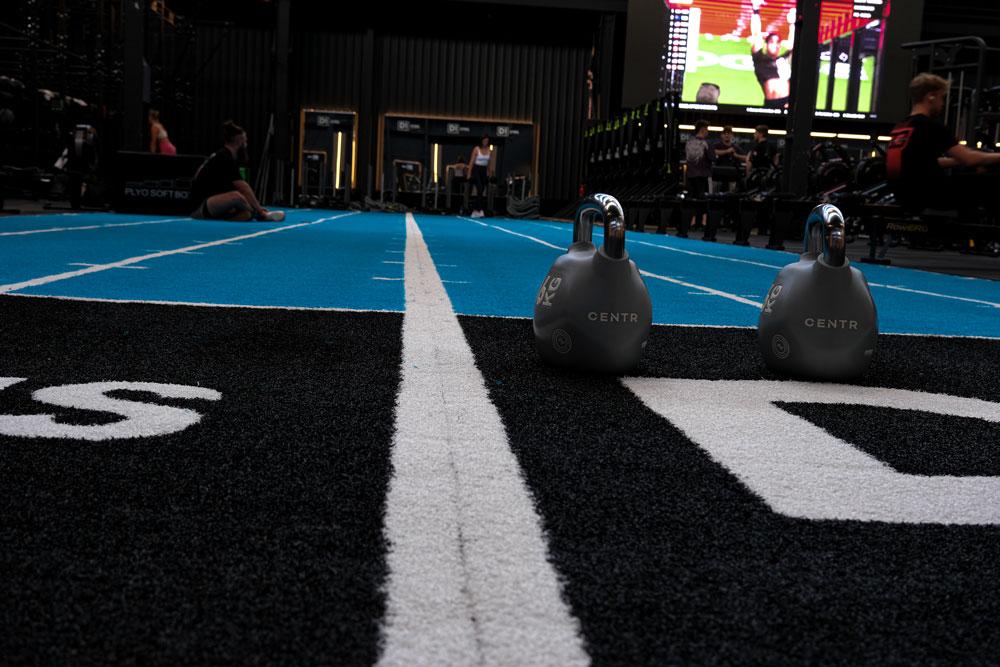
Whenever you challenge your body with heavy Watson plate-loaded machines or an intense 1km sled sprint on our indoor track, you are imposing controlled micro-trauma on muscle fibers and draining glycogen stores. The workout itself is the stimulus; true adaptation, hypertrophy, and cardiovascular improvements only occur when recovery protocols are executed properly.
1. Sleep & Parasympathetic Activation
Growth hormone secretion peaks during deep Stage 3 slow-wave sleep. If you are consistently training at high intensity but sleeping under six hours per night, cortisol remains elevated, impairing tissue regeneration and central nervous system readiness. Aim for 7 to 9 hours of uninterrupted sleep in a dark, cool environment.
2. Post-Workout Nutrition & Amino Acids
Within 60 to 90 minutes after your workout, provide your body with high-biological-value protein (such as the whey isolate or plant shakes served at D1 Replenish) paired with fast-digesting carbohydrates to restore muscle glycogen. Aim for approximately 0.4g of protein per kilogram of body weight per meal.
3. Heat Therapy In Finnish Saunas
Our male and female Finnish saunas at D1 Worcester are not merely a relaxation amenity—they serve a scientific recovery function. Spending 15 to 20 minutes in the sauna stimulates peripheral vasodilation, increases cardiac output similar to moderate cardiovascular exercise, and activates heat-shock proteins (HSPs) which help protect cellular protein integrity.
Key Practical Takeaway
Do not treat recovery as an afterthought. Schedule rest days with the same discipline you apply to your heaviest deadlift sessions. If you ever feel chronic fatigue, speak with our trainers about de-loading strategies.